





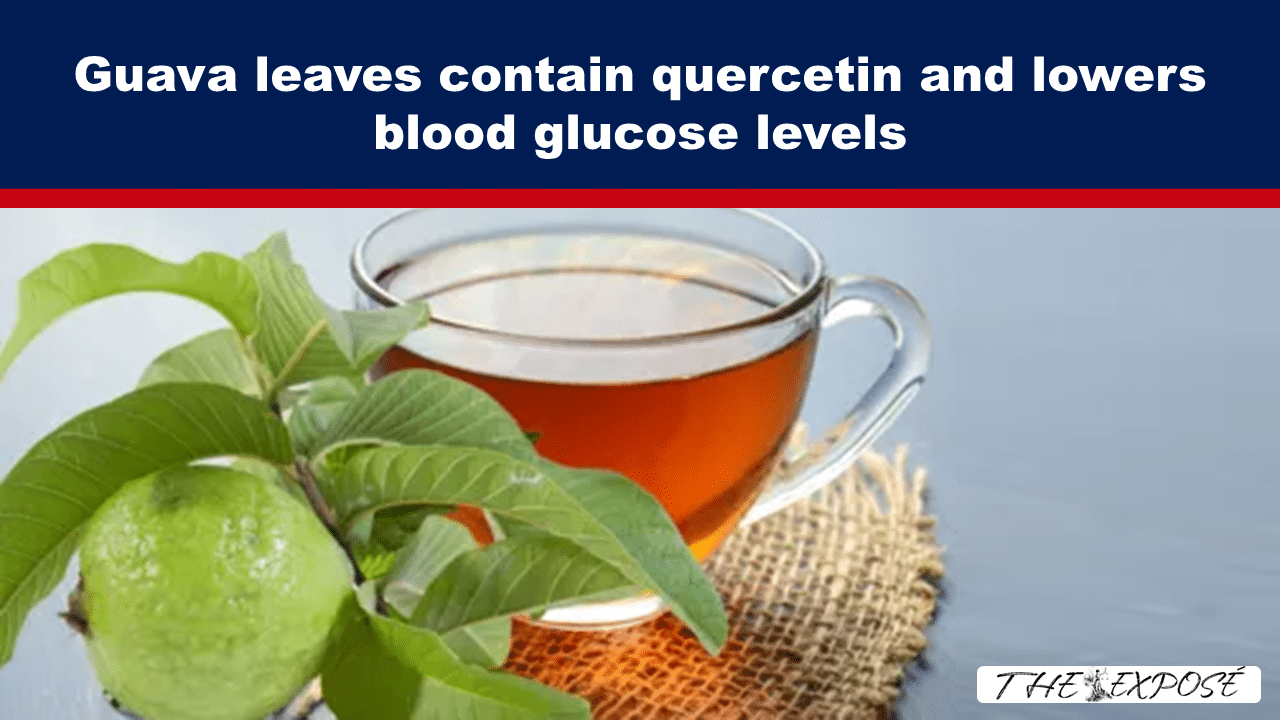
Guava leaves are a good source of quercetin. They also contain tannin. Both lower blood glucose levels, which makes guava leaves good for those who have diabetes.
Guava leaf tea containing extract is a useful and harmless food for treating pre-diabetic and diabetic patients.
However, although the research is accumulating and all pointing to the same, there is not sufficient evidence for guava leaves to be used as a standalone therapy for diabetes or a substitute for prescribed medications. And because it lowers blood sugar, people taking insulin or glucose-lowering medications need to monitor their levels carefully to avoid hypoglycaemia (blood sugar going too low), The Hearty Soul reports.
Let’s not lose touch…Your Government and Big Tech are actively trying to censor the information reported by The Exposé to serve their own needs. Subscribe to our emails now to make sure you receive the latest uncensored news in your inbox…
Introduction by Dr. Joseph Mercola
A plant most people overlook may offer surprising support for blood sugar control. Guava leaves, traditionally used in parts of Asia and Latin America, contain compounds that researchers say can directly influence how the body processes glucose. Studies show these leaves may help reduce blood sugar levels and improve insulin function through multiple biological pathways.
One key mechanism involves slowing the breakdown of carbohydrates in the digestive tract. Compounds in guava leaves can inhibit enzymes responsible for converting carbs into glucose, helping prevent sharp spikes after meals. Other research suggests these compounds may also improve insulin sensitivity and reduce the amount of glucose produced by the liver, creating a broader metabolic effect.
Human studies have found that drinking guava leaf tea with meals can lower long-term blood sugar markers and support healthier metabolic function. While experts say it should not replace medical treatment, the evidence suggests it may serve as a useful complementary approach, especially for those looking to support blood sugar levels naturally.
The Surprising Health Benefits of Guava Leaves and Guava Tea
By Catherine Vercuiel, as published by The Hearty Soul
Table of Contents
Introduction
Nutrition researchers have spent decades building a case for a plant that most North Americans overlook entirely. Guava leaves – the dark green foliage of Psidium guajava, a tropical tree cultivated across Asia, Latin America and Africa – contain a dense cluster of bioactive compounds that multiple peer-reviewed studies now link directly to lower blood glucose and better insulin function. The evidence covers everything from isolated lab experiments to clinical trials in people with type 2 diabetes, and eight distinct findings have emerged from that body of research with enough consistency to be worth understanding in detail.
Before getting into the findings, a quick note on what “guava leaf extract” actually means. Researchers typically prepare it as either an aqueous extract (water-based, similar to how you’d brew a tea) or an ethanol extract (using alcohol to pull out different compounds). Both forms are used in studies and have shown anti-diabetic effects, though the water-based version is the one most commonly used in human trials and is the basis for commercially available guava leaf teas. The terms “guava leaf extract” and “guava leaf tea benefits” appear throughout the research literature and refer to these preparations unless otherwise specified.
Guava leaves are also biologically distinct from the fruit. The leaves contain essential oils, tannins, flavonoids, phenolic compounds, carotenoids, gallic acid, catechin, quercetin and vitamin C. Many of these compounds, particularly quercetin and tannins, are present in concentrations far higher in the leaf than in the edible fruit, which is why researchers studying natural blood sugar reduction have focused so heavily on the leaf rather than what most people actually eat.
What the Compounds in Guava Leaves Actually Do
Finding 1: Quercetin and Tannins Directly Lower Blood Glucose
Active components quercetin and tannin are involved in lowering blood glucose levels. This is the foundational biochemical mechanism behind most of the guava leaf blood sugar research. Quercetin (a type of plant pigment called a flavonoid) and tannins (plant polyphenols with astringent properties) act on several pathways at once, which helps explain why the overall effect on blood sugar can be meaningful.
Quercetin belongs to the family of flavonols and is abundantly found in the guava leaves, followed by other flavonoids. Quercetin helps in the reduction of oxidative stress and hence helps in the scavenging of free radicals. That matters for diabetes management specifically because oxidative stress – damage caused by unstable molecules called free radicals – plays a central role in the complications of long-term high blood sugar, including nerve damage and kidney disease. Addressing it at the source is one reason quercetin has attracted so much research attention.
Among phenolic compounds, quercetin is a major bioactive phenolic compound in guava leaves. Seven pure compounds – quercetin, avicularin, apigenin, guaijaverin, kaempferol, hyperin and myricetin – have been separated from the ethyl acetate-soluble leaf fraction. This profile gives the leaf extract a broad biochemical toolkit rather than relying on a single compound.
Finding 2: Guava Leaf Extract Blocks Alpha-Glucosidase Enzymes
Alpha-glucosidase is an enzyme (a protein that speeds up a chemical reaction) found in the small intestine. Its job is to break down complex carbohydrates into glucose so that glucose can be absorbed into the bloodstream. When this enzyme is slowed down, glucose enters the blood more gradually, which prevents the sharp spikes in blood sugar that happen after eating. This is the exact mechanism exploited by prescription diabetes drugs like acarbose.
Polysaccharides and flavonoid compounds purified from guava leaves synergistically inhibited alpha-glucosidase and alpha-amylase, which would delay the absorption of glucose in the small intestine to lower blood glucose levels. This is a significant finding from researchers published in Frontiers in Pharmacology, because it shows the effect is not coming from a single compound acting alone. Multiple compounds in the leaf work together on the same target, which may make the effect more robust.
Higher leaf triterpenoid corosolic acid is a strong alpha-glucosidase inhibitor that slows down the metabolism of carbohydrates and lowers the postprandial blood glucose spike, both of which are helpful in the treatment of diabetes mellitus. Corosolic acid is a compound distinct from quercetin, meaning the enzyme-blocking effect comes from more than one chemical source within the same leaf.
Finding 3: Guava Leaf Tea Reduces Post-Meal Blood Sugar in Humans
Moving from biochemistry to actual human data: a clinical review published in Nutrition and Metabolism by researchers at the Yakult Central Institute for Microbiological Research in Tokyo examined multiple human trials of guava leaf tea and its concentrated extract. The findings were specific and clinically relevant for anyone thinking about guava leaves for diabetes management.
The ingestion of guava leaf tea significantly reduced blood HbA1c% in diabetic subjects (initial HbA1c%: >6.5%), and significantly increased serum adiponectin level in each subject with hypoadiponectinemia and hyperglycaemia. HbA1c (haemoglobin A1c) is a standard lab test that shows average blood sugar over the past two to three months. Reducing it is the primary clinical goal of diabetes treatment. Adiponectin is a hormone that improves insulin sensitivity; low levels are associated with type 2 diabetes and metabolic syndrome.
The consecutive ingestion of guava leaf tea together with every meal improves not only hyperglycaemia but also hypoadiponectinemia, hypercholesterolemia, and hyperlipidemia in pre-diabetic and diabetic patients with or without hyperlipidemia. That range of simultaneous benefits from a single dietary intervention is notable and helps explain why guava leaf tea benefits have attracted ongoing attention in the evidence-based nutrition community.
How Guava Leaves Work Inside the Body
Finding 4: The PI3K/Akt Pathway and Insulin Resistance
Insulin resistance is the core problem in type 2 diabetes. It means the body’s cells stop responding properly to insulin, so glucose stays elevated in the bloodstream even when insulin is present. Researchers have now identified a specific cellular signalling pathway through which guava leaf extract appears to address this.
After 8 weeks of treatment, compared to the diabetic control group, the fasting plasma glucose and fasting insulin levels and the HOMA-IR of diabetic KK-Ay mice significantly decreased, while the insulin sensitivity index significantly increased in the guava leaf extract-treated group, suggesting that guava leaf extract could alleviate insulin resistance. HOMA-IR is a standard calculation used to estimate insulin resistance. A decrease in this number means insulin is working better.
The anti-diabetic action mechanism of guava leaf extract is mainly related to: decreases in body weight and blood lipid metabolism; the inhibition of alpha-glucosidase; the promotion of liver glycogen synthesis; and, the inhibition of dipeptidyl peptidase IV. This multi-mechanism picture, which was documented in a 2020 mouse model study, is important. It means guava leaf extract doesn’t work through a single narrow pathway. It addresses insulin resistance, post-meal glucose spikes and the hormonal regulation of blood sugar simultaneously.
For those interested in other plant-based approaches to glucose management, ‘Ten Science-Backed Herbs and Supplements to Help Lower Your Blood Sugar Naturally’ offers a broader survey of the evidence.
Finding 5: Guava Leaf Extract Promotes Liver Glycogen Storage
When the body handles glucose well, the liver stores excess glucose as glycogen (a storage form of sugar) for later use. In type 2 diabetes, this process is impaired. Guava leaf extract appears to help restore it.
Guava leaf aqueous extract significantly lowered fasting plasma glucose levels (p < 0.01) and improved glucose tolerance and insulin sensitivity (p < 0.01, p < 0.05, respectively). Additionally, guava leaf aqueous extract increased hepatic glycogen accumulation, glucose uptake and decreased the mRNA expression levels of gluconeogenic genes. The term “gluconeogenic genes” refers to genes that control the body’s ability to make new glucose in the liver. Reducing their activity means the liver produces less glucose on its own, which helps keep blood levels lower.
Quercetin in the aqueous extract of guava leaves has been found to promote glucose uptake in hepatocytes and alleviate hyperglycaemia in diabetes. Hepatocytes are liver cells. When they absorb more glucose from the blood, overall blood sugar drops. This connection between quercetin and liver glucose uptake runs consistently across multiple research groups and years of investigation.
Finding 6: DPP4 Inhibition Extends Insulin-Stimulating Hormones
One of the most technically interesting mechanisms involves an enzyme called DPP4 (dipeptidyl peptidase 4). DPP4 breaks down GLP-1, a hormone that tells the pancreas to release more insulin after eating. Many modern diabetes drugs, called “gliptins,” work by blocking DPP4 to keep GLP-1 active longer. Guava leaf extract appears to do something similar.
Ethanolic extract of guava leaves dose-dependently inhibited DPP4 due to individual flavonoid glycosides, such as quercetin and isoquercitrin. DPP4 inhibition would lengthen the half-life of the incretin hormones, which would enhance insulin secretion and give blood glucose levels more time to return to normal. “Incretin hormones” are gut hormones that trigger insulin release after eating. Keeping them active longer means better blood sugar control after meals.
Researchers demonstrated the dose-dependent inhibition of guava leaf ethanol extracts on dipeptidyl-peptidase-IV due to the individual flavonol-glycosides: peltatoside, hyperoside, methylquercetin hexoside, isoquercitrin, quercetin/morin pentoside, guaijaverin and quercetin/morin pentoside. The range of compounds involved means this effect is not a quirk of one molecule. It reflects the leaf’s broader phytochemical (plant chemical) richness.
The Broader Health Picture
Finding 7: Guava Leaf Compounds Reduce Heart Disease Risk Factors Linked to Diabetes
Diabetes and cardiovascular disease are closely linked. High blood sugar damages blood vessels and many people with type 2 diabetes also have high blood pressure and abnormal cholesterol levels. Guava leaf research shows meaningful effects on both.
Guava shows anti-hyperlipidemic properties by reducing total triglycerides and LDL levels, and increasing or without altering the HDL levels. LDL is the “bad” cholesterol that contributes to artery narrowing. HDL is the “good” cholesterol that helps remove it. Shifting this balance in a favourable direction is a meaningful cardiovascular benefit.
Guava leaves are effective against high blood pressure by interfering with the renin-angiotensin-aldosterone system and promoting nitric oxide secretion, ultimately causing vasodilation. Vasodilation means the widening of blood vessels, which reduces blood pressure. The renin angiotensin aldosterone system (“RAAS”) is the same target used by some blood pressure medications, making this a pharmacologically relevant parallel. A 2025 review published in Science Direct confirmed this mechanism as part of a comprehensive analysis of guava leaf’s effects on metabolic syndrome.
For a broader look at how foods directly affect glucose, ‘10+ Foods to Help Lower Your Blood Sugar’ covers additional dietary options backed by clinical evidence.
Finding 8: Guava Leaf Tea Has a Strong Human Safety Profile
Evidence for blood sugar benefits means very little if the intervention carries serious risks. On this point, the research on guava leaf tea benefits is reassuring. Japan’s stringent food safety authority reviewed the compound extensively before approving it for commercial sale.
It has been suggested that guava leaf tea is a useful and harmless food for treating pre-diabetic and diabetic patients. On the basis of numerous lines of scientific evidence regarding the effectiveness and safety of guava leaf tea for treating type 2 diabetes mellitus, it was approved as FOSHU in March 2000. FOSHU stands for “Foods for Specified Health Uses” – Japan’s government-regulated category for foods proven to benefit specific health conditions. Getting onto that list requires clinical evidence and formal safety review.
Previous in vitro studies and investigations using animal models have demonstrated that guava leaf tea and its extract induce neither toxicity nor mutagenicity. Both the extract and guava leaf tea have weak inhibitory activity on cytochrome P450 isoforms, which are associated with the metabolism of anti-diabetic drugs and many commercial drugs. This suggests that guava leaf tea has a lower potential for abnormal interaction with these drugs. This drug interaction profile is important for anyone already on medication. The researchers found the interaction risk to be low, though, as with any supplement alongside prescription treatment, physician oversight remains necessary.
No abdominal symptoms were observed after the consecutive ingestion of guava leaf tea for 8 or 12 weeks in some human trials, which contrasts with certain prescription alpha-glucosidase inhibitors that frequently cause digestive side effects, including bloating and gas.
How Guava Leaves Lower Blood Sugar: A Direct Answer
Readers searching for a clear explanation of how guava leaves lower blood sugar naturally will find the answer runs through several channels at once. The leaf’s compounds block enzymes that convert carbohydrates to glucose, reduce the liver’s own glucose production, promote insulin-sensitising pathways in liver and muscle tissue, and extend the activity of hormones that trigger insulin release. No single compound does all of this. The effect is the result of multiple plant chemicals working in parallel.
Psidium guajava has shown significant hypoglycaemic, antioxidant and anti-inflammatory properties because of the presence of quercetin, rutin and gallic acid. A 2025 comprehensive review published in Preventive Nutrition and Food Science showed that these phytochemicals have been observed across multiple independent research teams studying the applications of guava leaves for diabetes.
On the question of whether you can drink guava leaf tea if you have diabetes: the research says yes, with caveats. It is suggested that guava leaf tea containing extract is a useful and harmless food for treating pre-diabetic and diabetic patients. However, because it lowers blood sugar, people taking insulin or glucose-lowering medications need to monitor their levels carefully to avoid hypoglycaemia (blood sugar going too low). Always discuss any supplement with your doctor before starting, particularly if you are already managing blood sugar with prescription drugs.
Nutrition research on guava leaf compounds and glucose has also identified that the timing of consumption matters. Human trials typically administered the tea with or immediately before meals to target post-meal glucose spikes, which is when the enzyme-blocking effect is most clinically useful.
Limitations and Scientific Context
The research on guava leaf extract is promising but it’s important to understand what it can and cannot tell us. A significant portion of the evidence comes from cell studies and animal models, which are useful for understanding mechanisms but don’t always translate directly to real-world human outcomes. What works in mice or in isolated laboratory conditions may not produce the same magnitude of effect in people.
Human studies do exist, but many are small, short-term or conducted in specific groups of people, often under controlled conditions. These studies can show improvements in markers like blood glucose or HbA1c, but they don’t necessarily prove long-term outcomes such as reduced complication risk or sustained disease prevention over years.
There is also a practical issue of consistency. Across studies, guava leaf preparations vary widely in dose, extraction method and compound concentration, making it difficult to compare results or determine a standardised “effective amount.” A tea brewed at home is not chemically identical to a concentrated laboratory extract used in research.
While some findings are encouraging, guava leaf extract should not be viewed as a replacement for established medical treatments for diabetes. The evidence so far suggests it may act as a supportive or complementary approach, rather than a standalone intervention, especially when compared with well-studied medications that have long-term clinical trial data behind them.
Finally, like many areas of nutritional science, early findings can sometimes be overinterpreted or amplified before they are fully confirmed. For that reason, stronger and larger randomised controlled trials are still needed before more definitive conclusions can be made about long-term benefits in humans.
Read More: This Plant Is Everywhere, But You Had No Idea It Could Help With Blood Sugar and Cholesterol
What This Means for You
Taken together, the research on guava leaf compounds suggests a biologically plausible and increasingly well-documented effect on blood sugar regulation, especially through multiple pathways like carbohydrate breakdown, insulin sensitivity and post-meal glucose control. This is not based on a single isolated finding, but rather a pattern that appears across laboratory studies, animal research and a growing number of human trials.
That said, the most accurate way to view guava leaf tea or extract is as a supportive dietary tool, not a primary treatment. The evidence is strongest for short-term improvements in blood sugar markers, particularly when consumed with meals, but it is not yet strong enough to position it as a standalone therapy for diabetes or a substitute for prescribed medications.
If someone chooses to use guava leaf tea, it should be considered part of a broader health strategy to be discussed with your doctor, especially if you have pre-existing conditions. The broader strategy includes foundational factors like diet quality, fibre intake, physical activity, sleep and medical management when needed. The potential benefit appears to come from adding another small lever to an already well-structured system, rather than relying on it as a major intervention on its own.
It’s also worth emphasising that responses vary. Some people may see measurable changes in post-meal glucose levels, while others may notice little to no effect depending on baseline health, dosage and consistency of use. This variability is common in nutrition research and is another reason why individualised medical guidance matters.
In short, guava leaf research is encouraging and scientifically interesting, but it sits in the category of emerging evidence rather than definitive clinical practice. It may offer modest support for blood sugar control, especially after meals, but it works best when paired with established, evidence-based approaches rather than used in isolation.
Disclaimer: The author is not a licensed medical professional. The information provided is for general informational and educational purposes only and is based on research from publicly available, reputable sources. It is not intended to constitute, and should not be relied upon as, medical advice, diagnosis, or treatment. Always consult a licensed physician or other qualified healthcare provider regarding any medical condition, symptoms, or medications. Do not disregard, avoid, or delay seeking professional medical advice or treatment because of information contained herein.
A.I. Disclaimer: This article was created with AI assistance and edited by a human for accuracy and clarity.
Further reading: 6 Reasons Why Guava Fruit Should Be a Part of YourDay
Featured image taken from ‘Guava Leaf Tea Benefits: The underrated drink with healing superpowers’, Times of India, 30 April 2025
The Expose Urgently Needs Your Help…
Can you please help to keep the lights on with The Expose’s honest, reliable, powerful and truthful journalism?
Your Government & Big Tech organisations
try to silence & shut down The Expose.
So we need your help to ensure
we can continue to bring you the
facts the mainstream refuses to.
The government does not fund us
to publish lies and propaganda on their
behalf like the Mainstream Media.
Instead, we rely solely on your support. So
please support us in our efforts to bring
you honest, reliable, investigative journalism
today. It’s secure, quick and easy.
Please choose your preferred method below to show your support.

Categories: Breaking News, World News
Onion skins contain a high amount of quercetin as well